
Introduction to the U-ART Model – An AI Assistant Supporting Scientific Research and Innovation
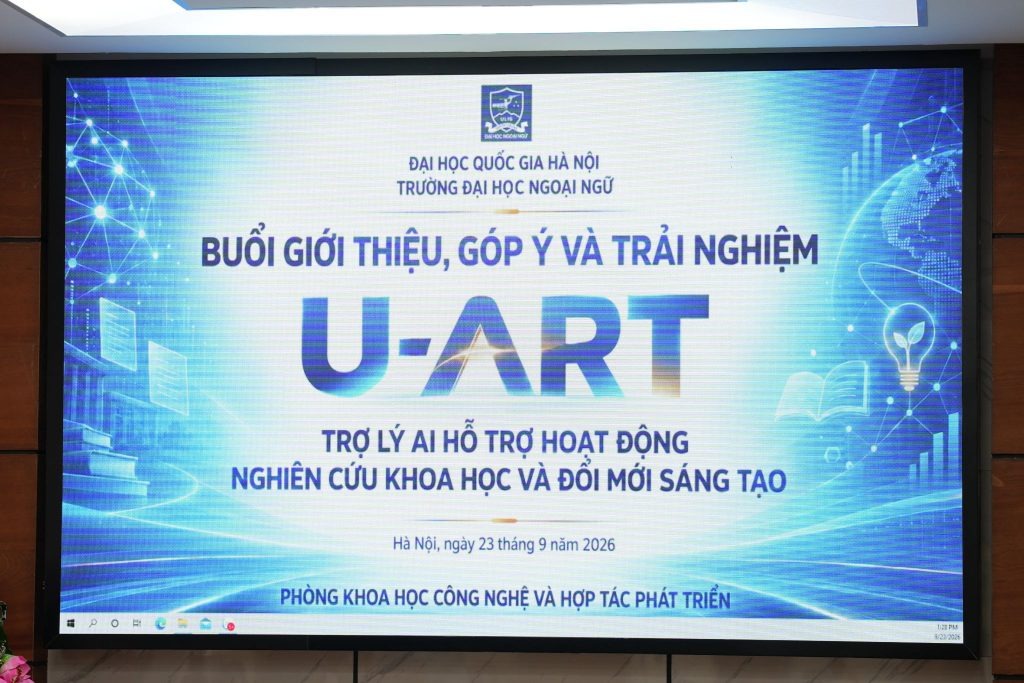
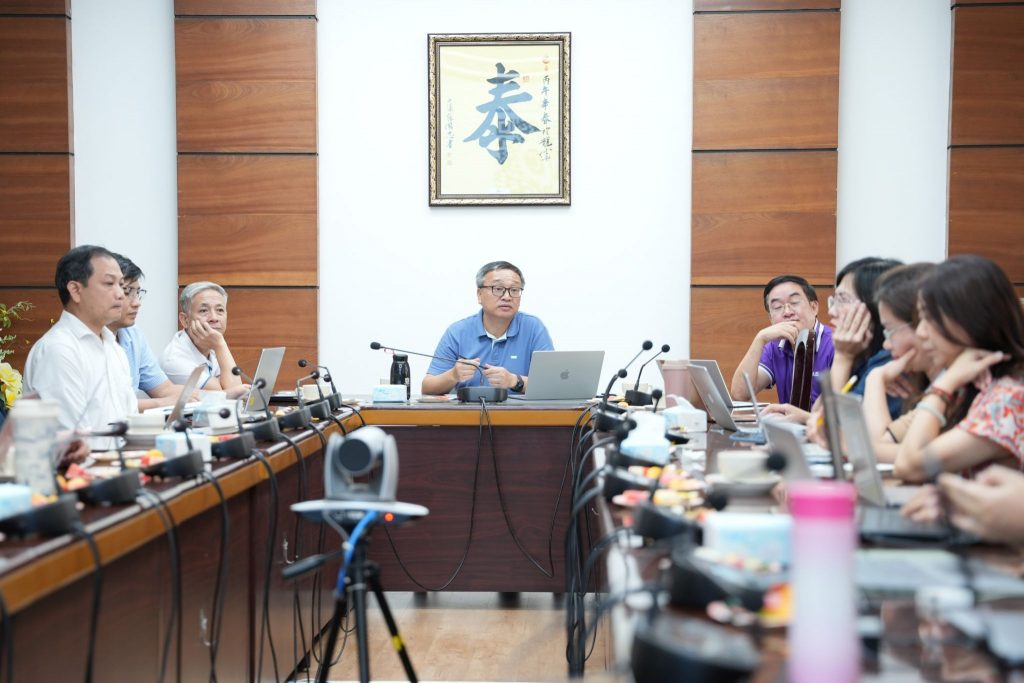
On September 23, 2026, the University of Languages and International Studies (ULIS), Vietnam National University, Hanoi, held an introductory session on the U-ART model – an AI Assistant supporting scientific research and innovation activities. The program provided an opportunity for the University to introduce U-ART’s initial features while gathering feedback to further develop and refine the model based on practical needs.
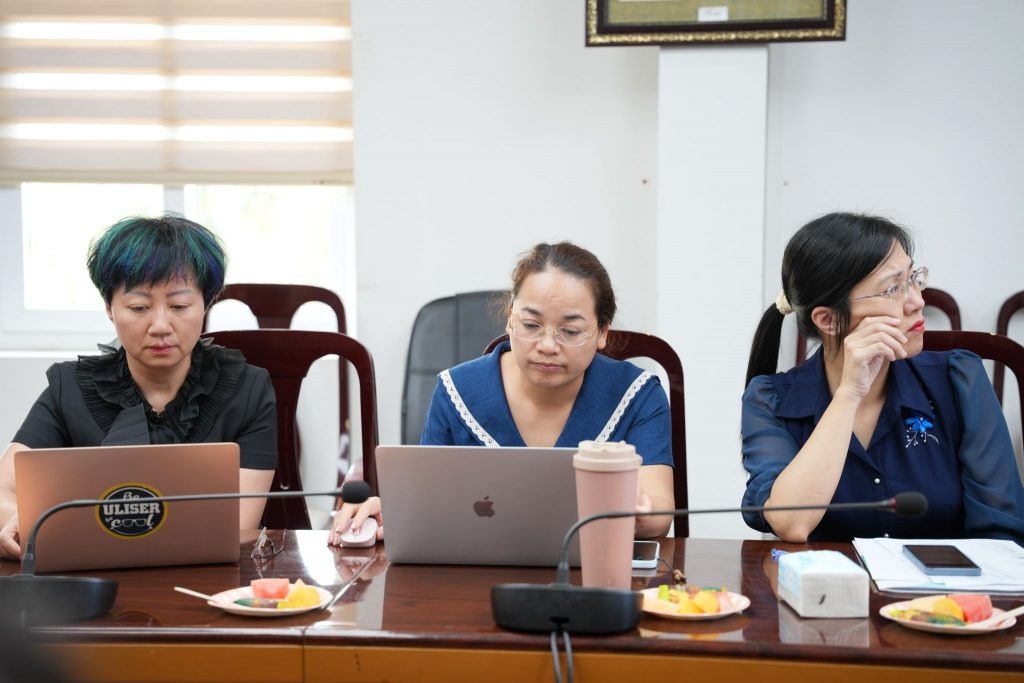
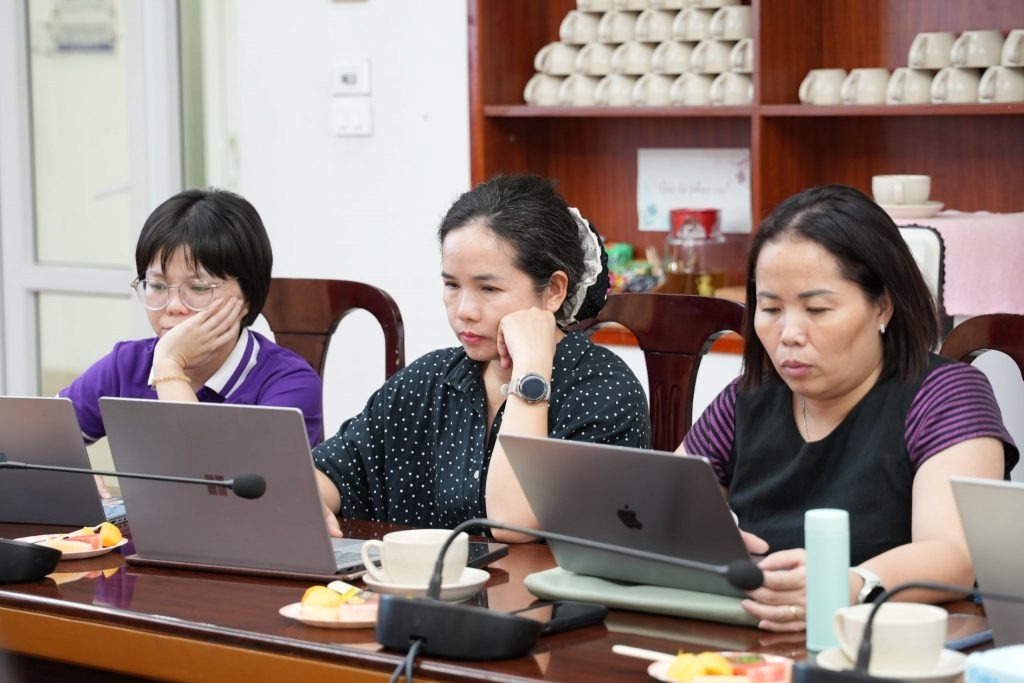
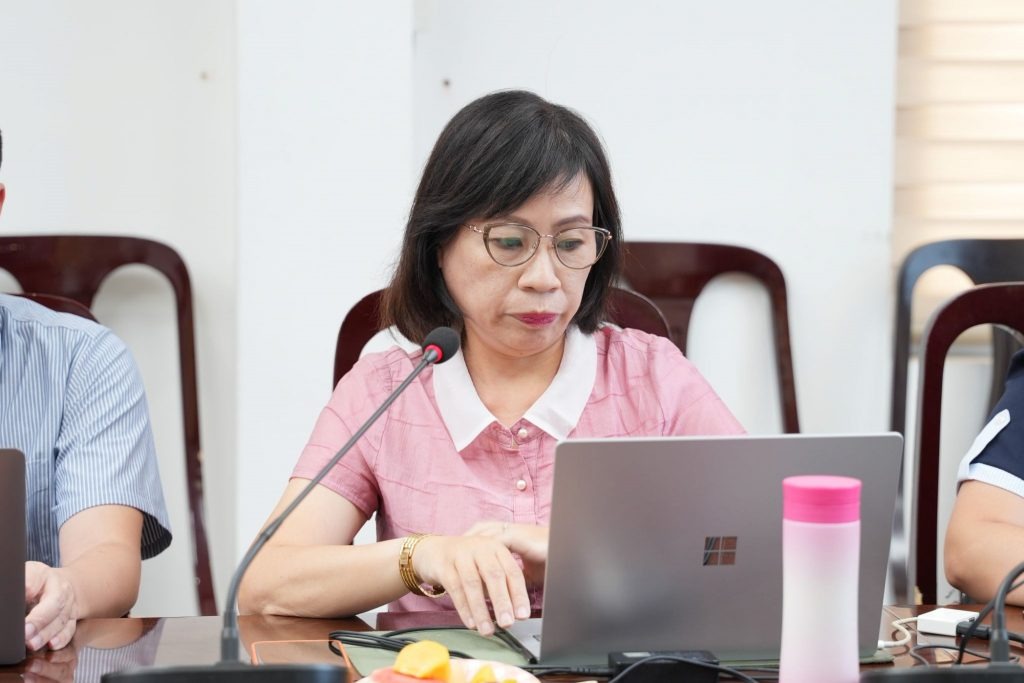
The event was attended by members of the University’s Board of Management, representatives of various units, as well as staff and lecturers from different faculties across the University.

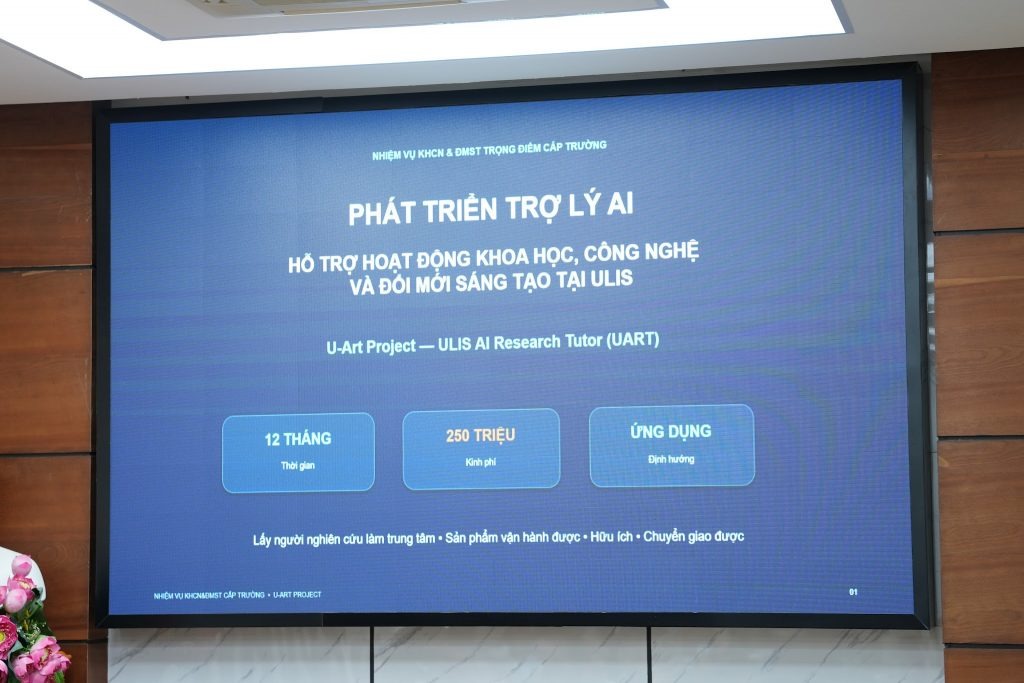
At the beginning of the program, Dr. Trần Thị Hoàng Anh, representing the Department of Science, Technology and Development Cooperation, shared preliminary information about the U-ART model (ULIS AI Research Tutor). This artificial intelligence model was developed to provide staff and lecturers with a tool to support them throughout the scientific research process and in carrying out related activities.
The program continued with an introduction to U-ART’s initial interface and features. The model is capable of supporting users in searching for academic journals, science and technology documents, forms, and other related resources and tasks. Discussions also covered its development objectives, target users, and the types of support required at different stages of the research process. Unlike a conventional chatbot, U-ART is designed to function as a research support and consulting framework, capable of identifying stages of the research process based on the Pre–While–Post model, while also supporting the retrieval and search of relevant records and documents.
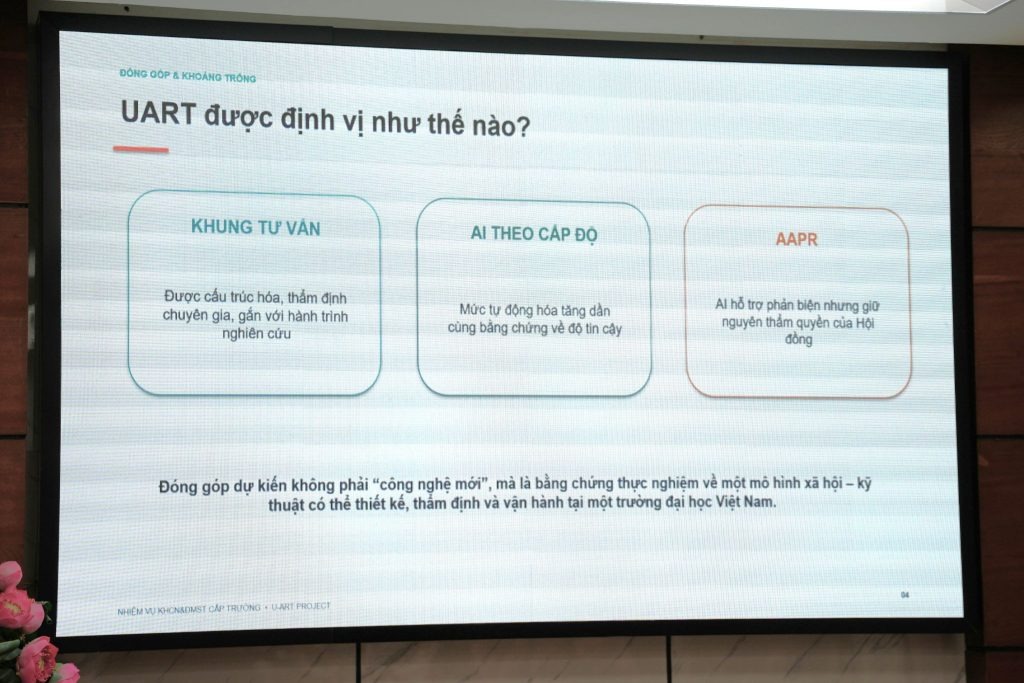
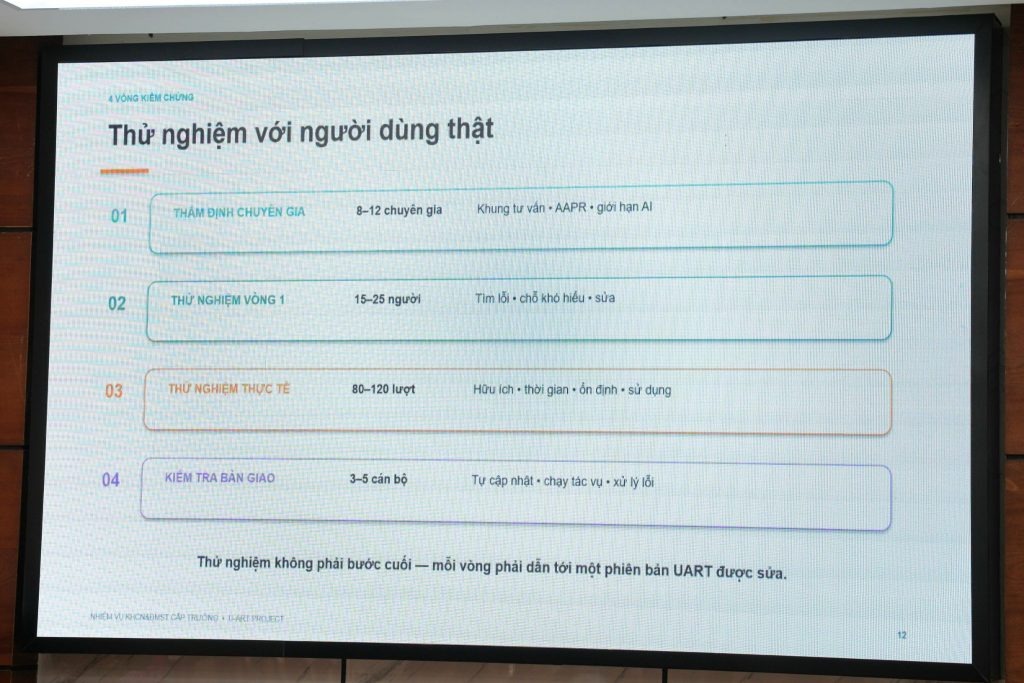
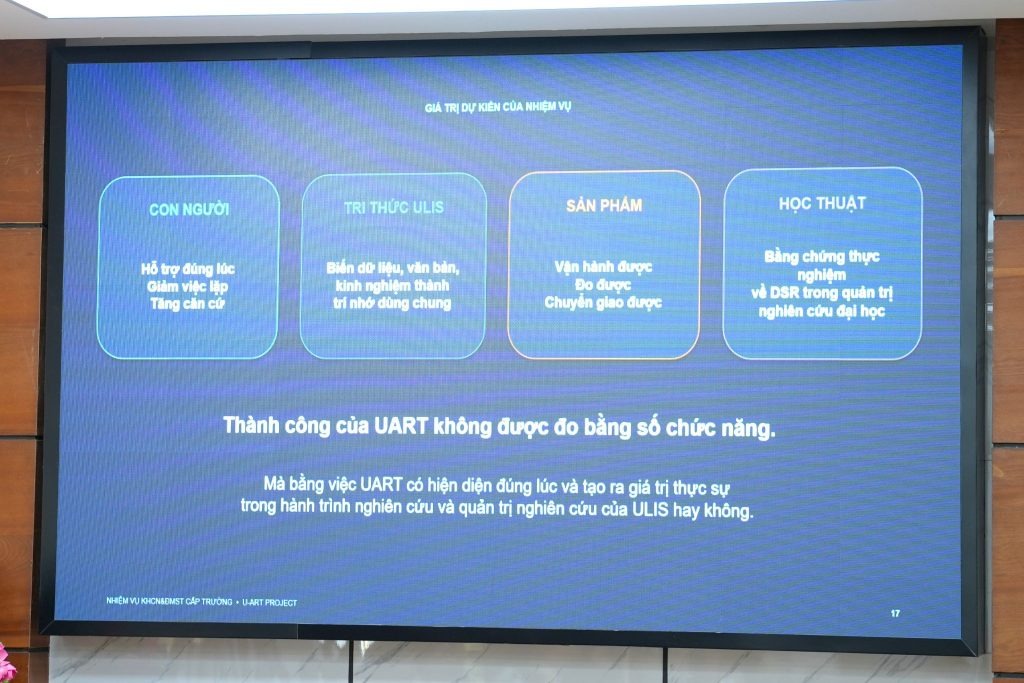
One notable feature of U-ART is its ability to provide different functions tailored to different user roles. For researchers and lecturers, U-ART aims to provide specialized information resources, assist with searching for documents and forms, and recommend appropriate tasks for each stage of the research process, thereby helping reduce the time spent searching for information and carrying out related work. For administrators and managers, consolidating information, records, and data related to science and technology on a single AI platform opens up opportunities to support information retrieval and analysis for management purposes.
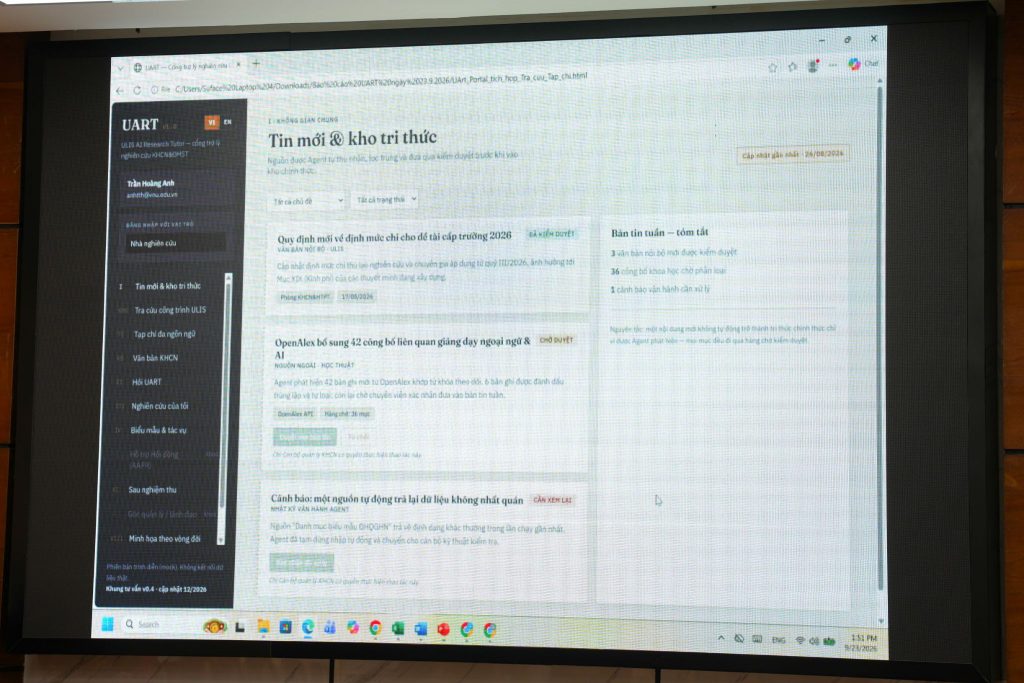
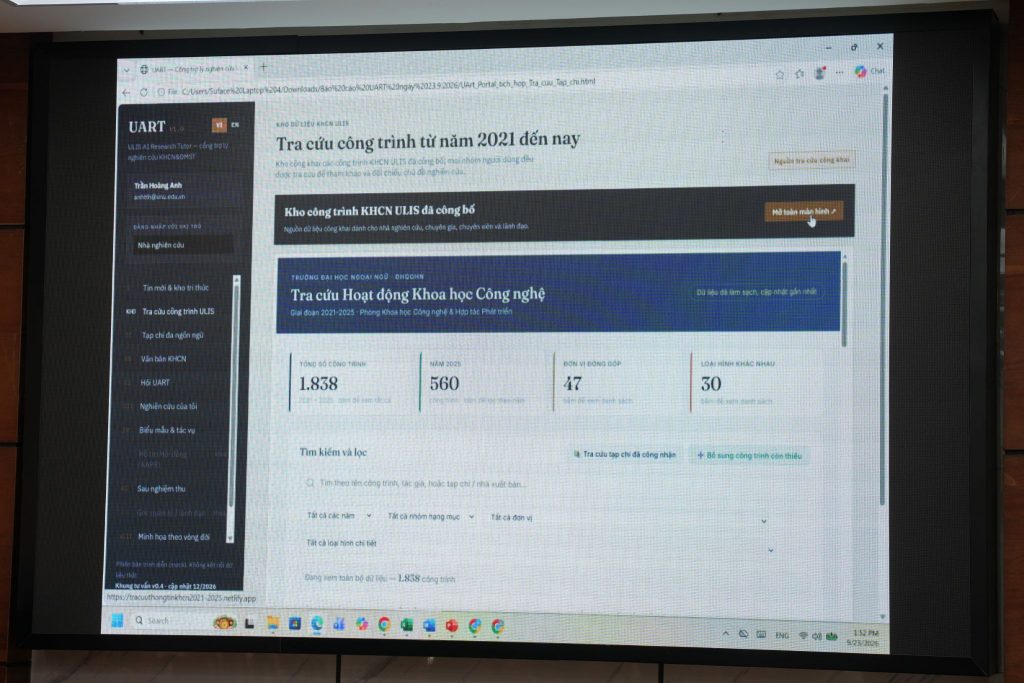
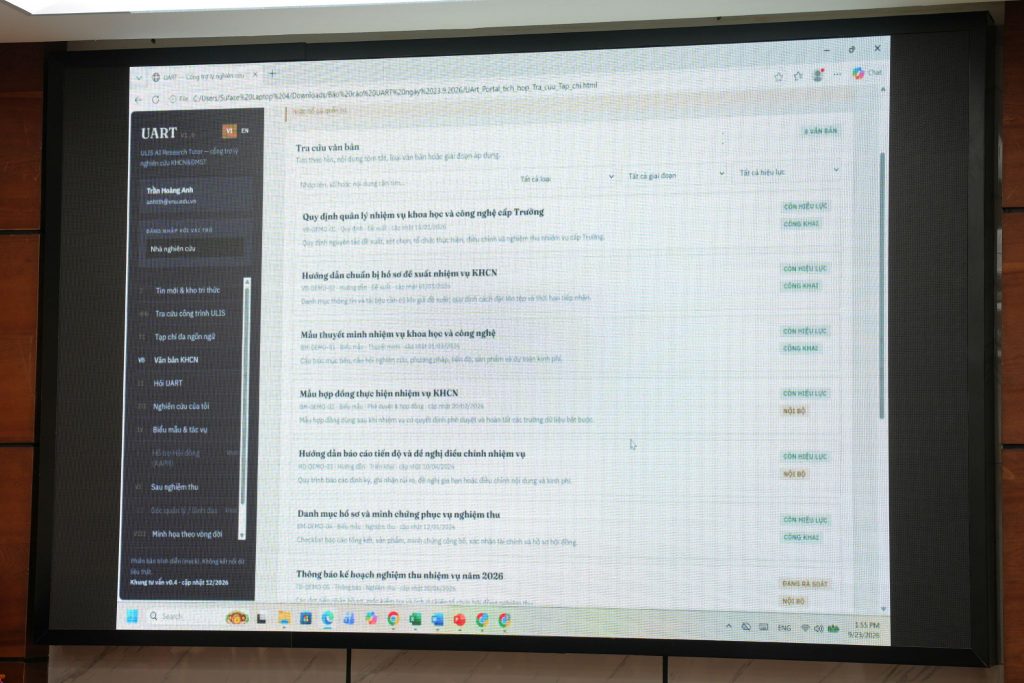
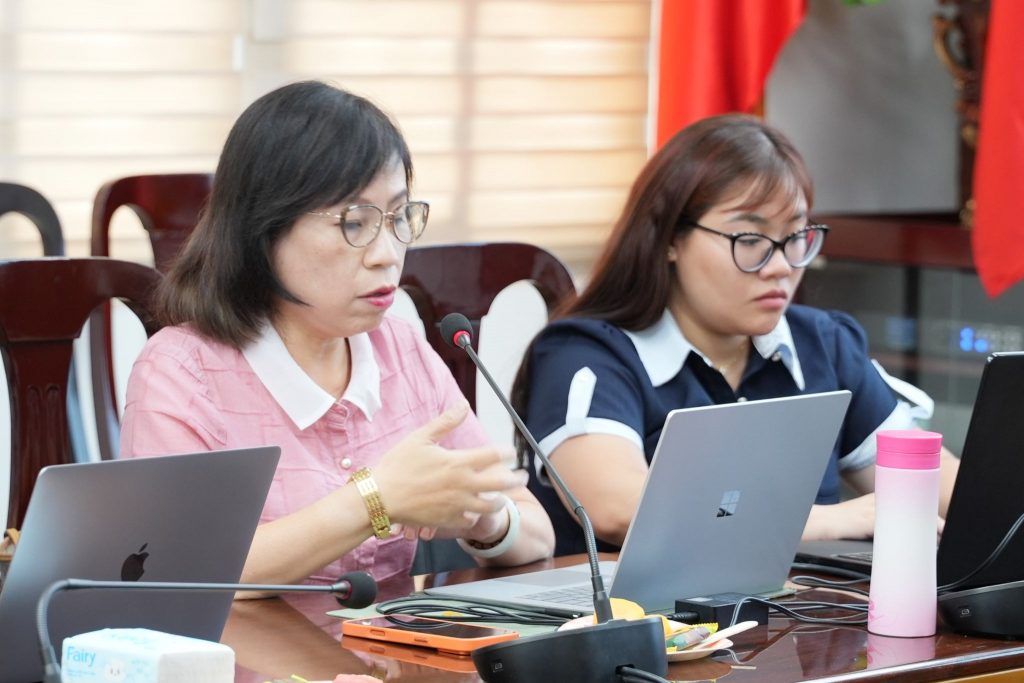
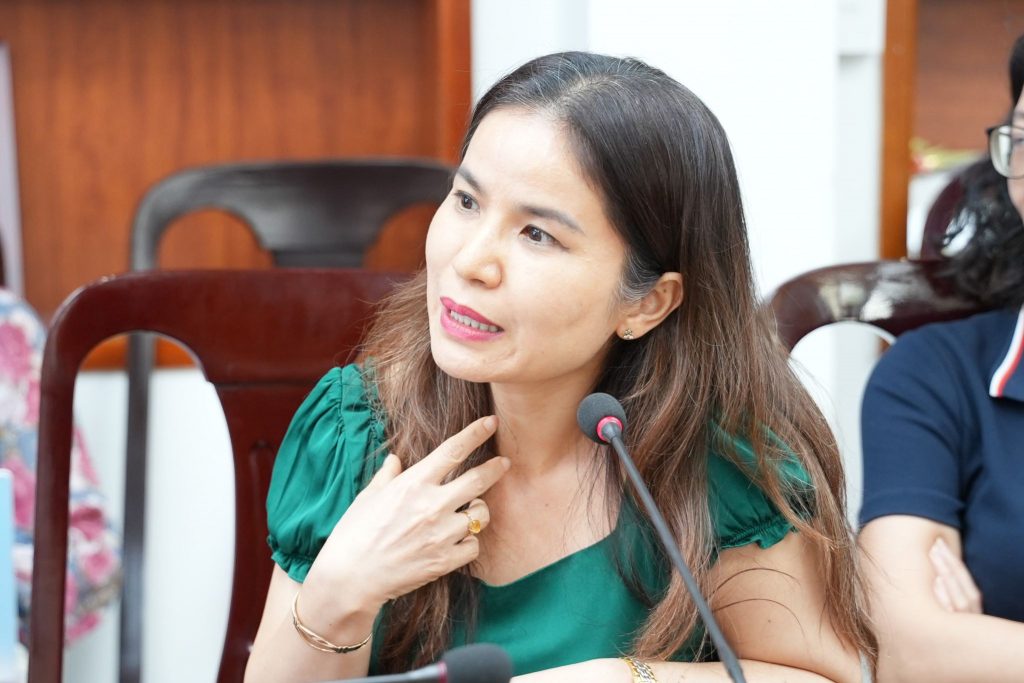
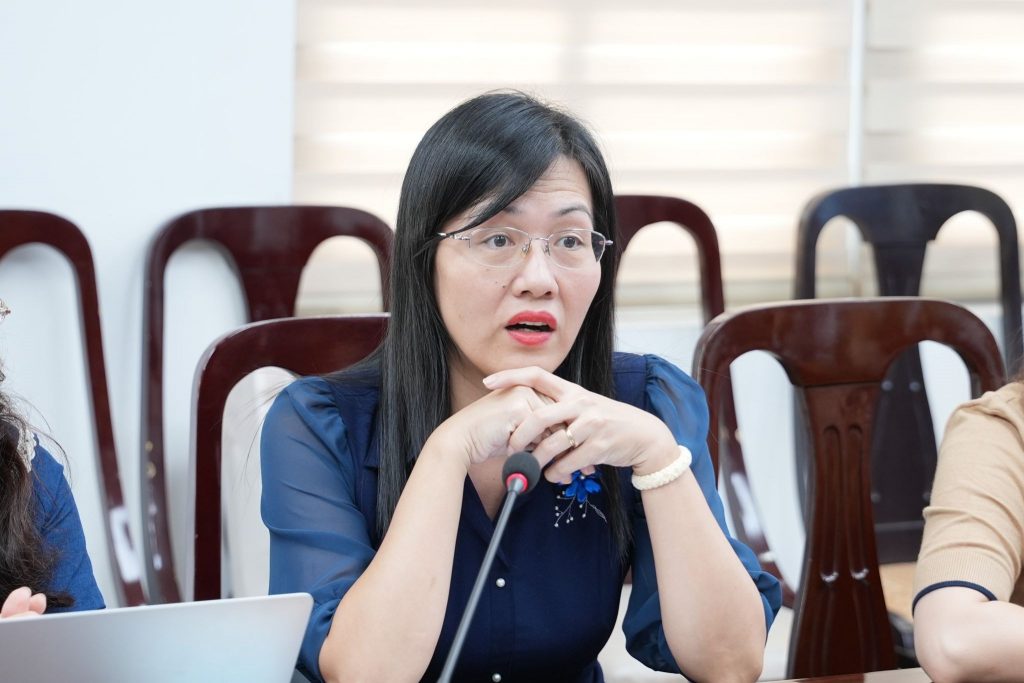
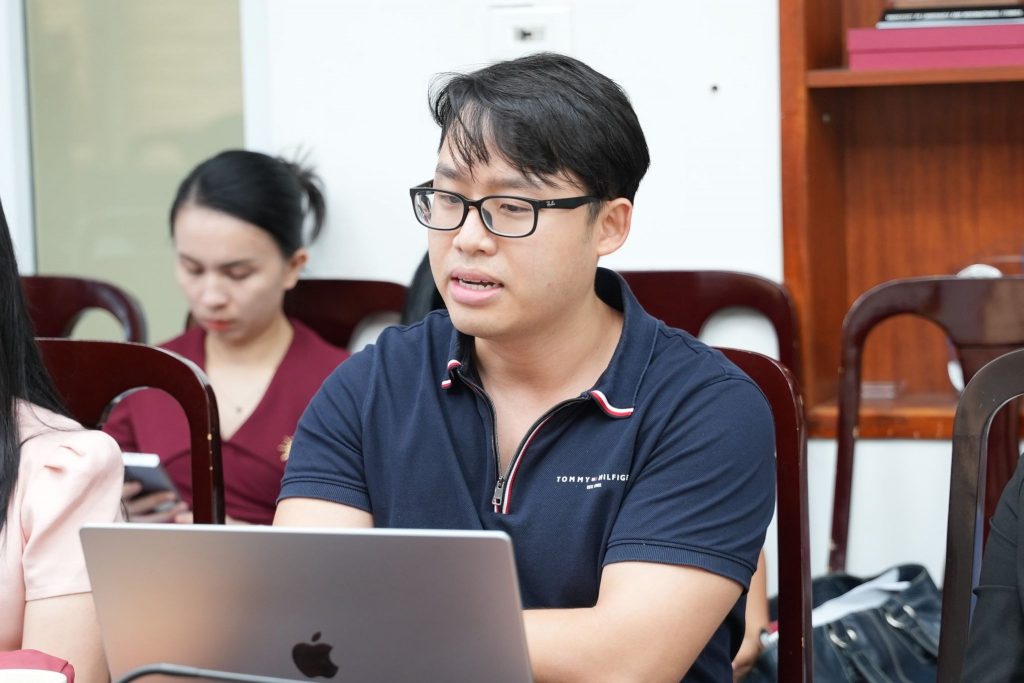
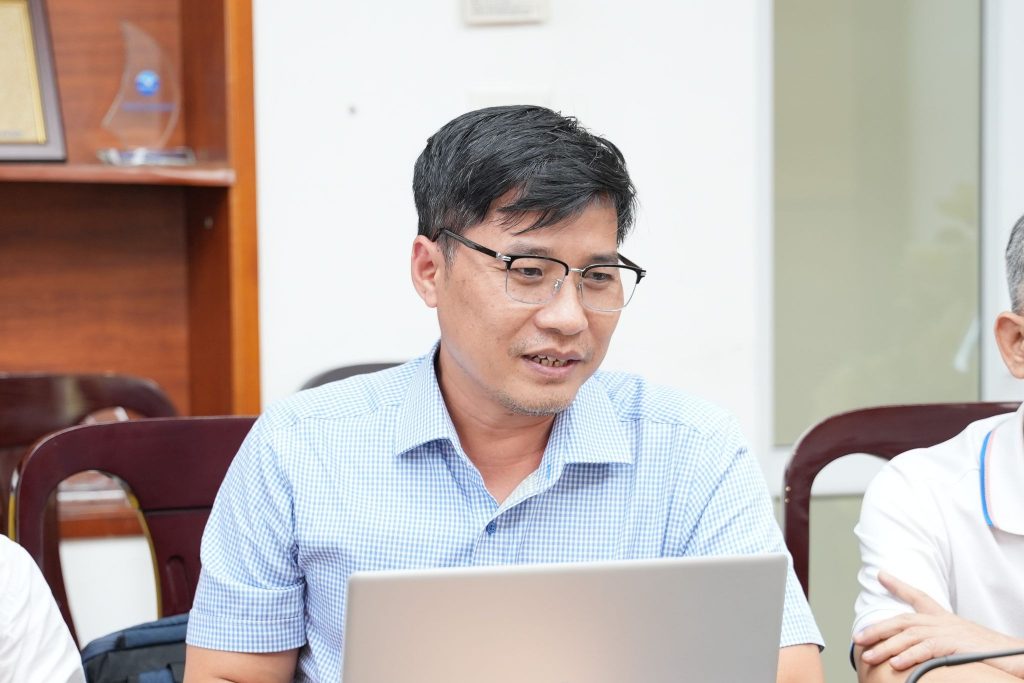
Following the introduction of these initial features, participating staff and lecturers directly discussed U-ART’s target users and the practical needs it should address. Dr. Đỗ Tuấn Minh emphasized that the development of the model should begin with the core challenges and needs of each user group, including staff, lecturers, and postgraduate researchers. Therefore, discussions at the event focused not only on the capabilities of the technology but also on the questions of what problems U-ART should solve and how it can support users in practice.
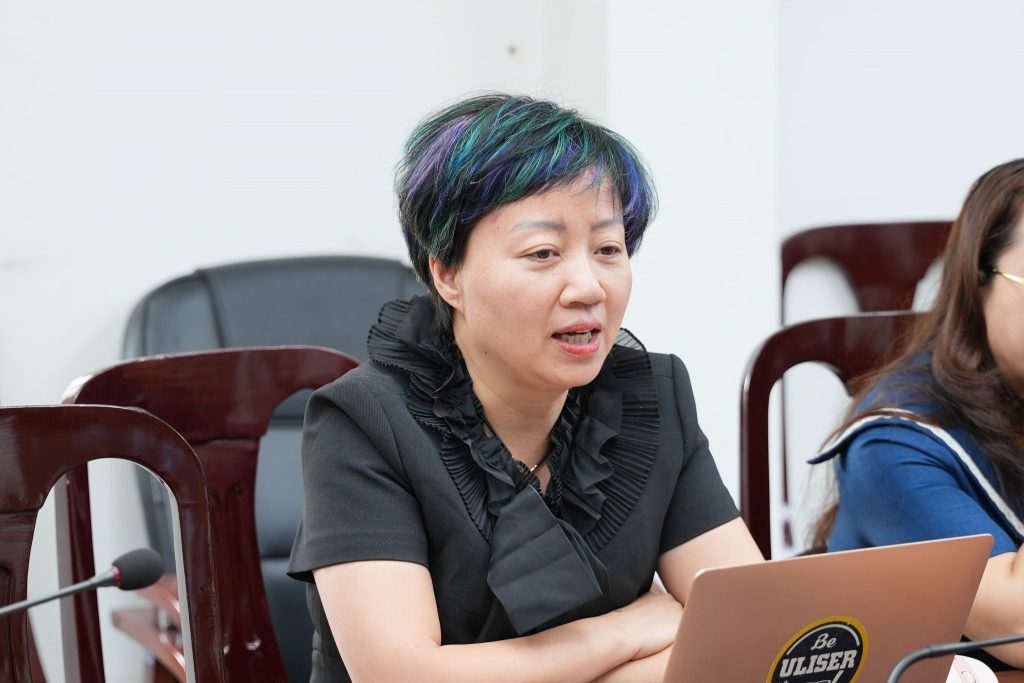
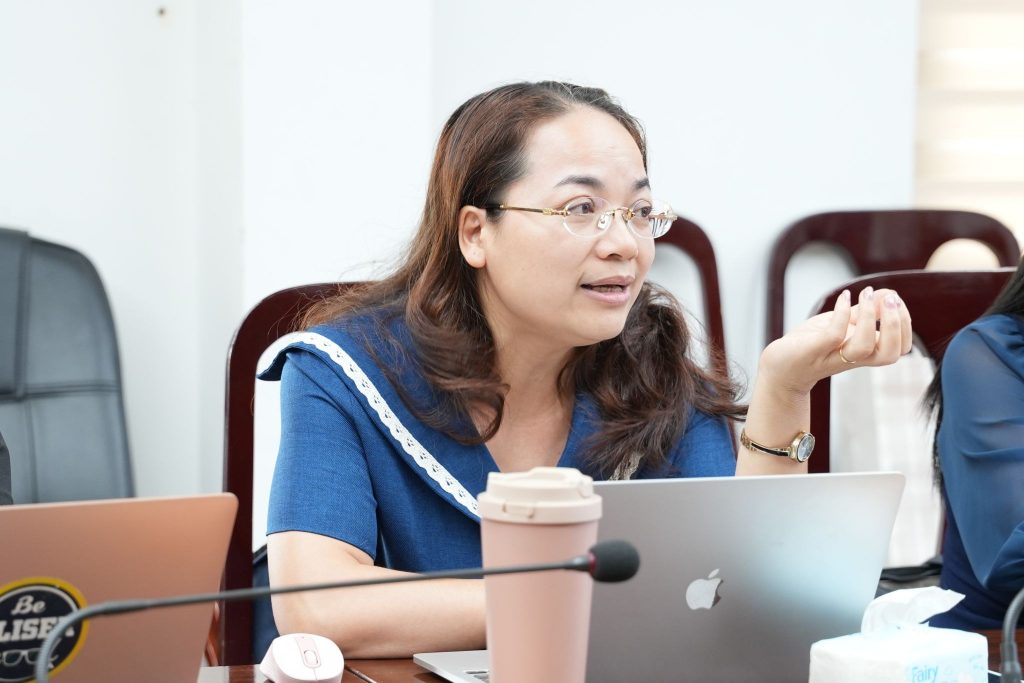
Assoc. Prof. Dr. Lâm Quang Đông proposed strengthening the model’s capabilities in data analysis and statistics, while also raising issues such as its ability to evaluate and provide information on international journal rankings, compile statistics on scientific publications, and integrate information on collaborative activities. These suggestions broadened the discussion about developing U-ART from a simple information-search tool into a comprehensive information-support system serving both research and management activities.
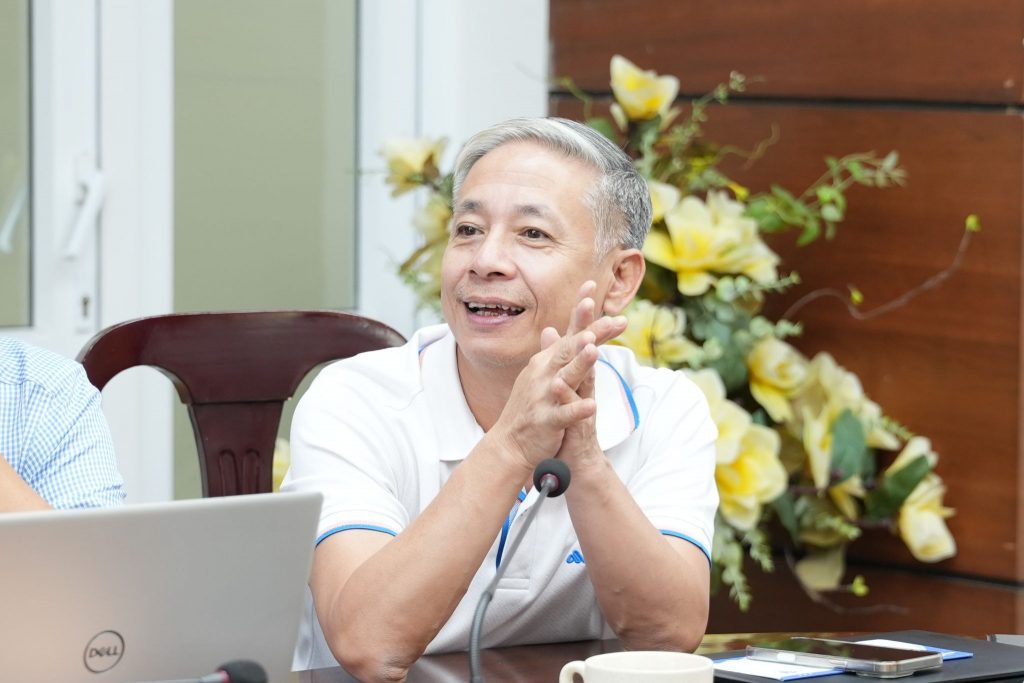
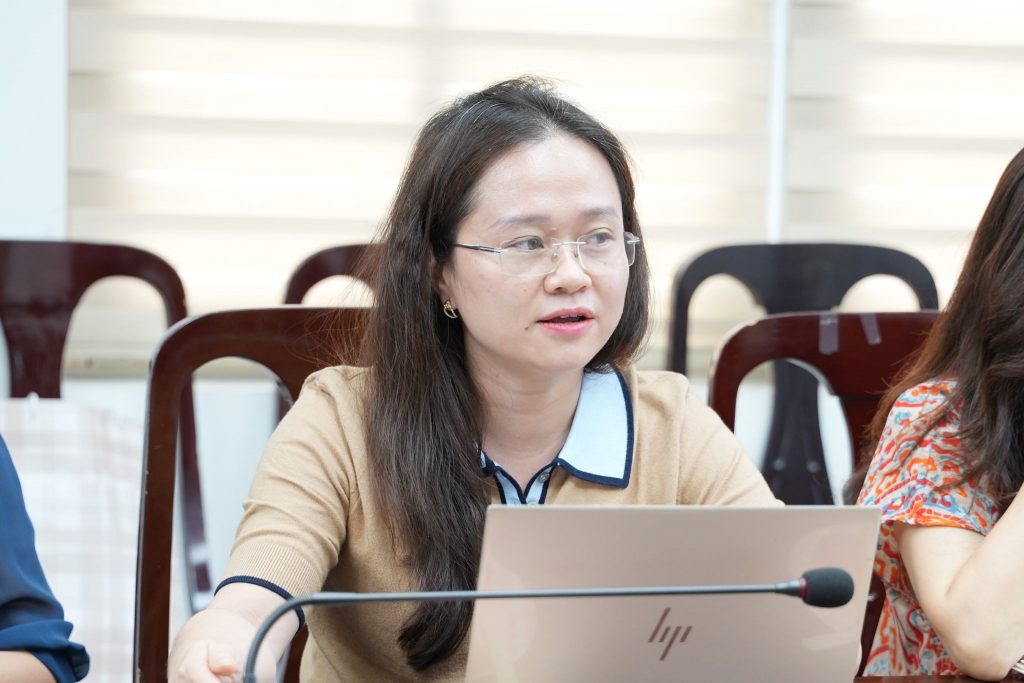
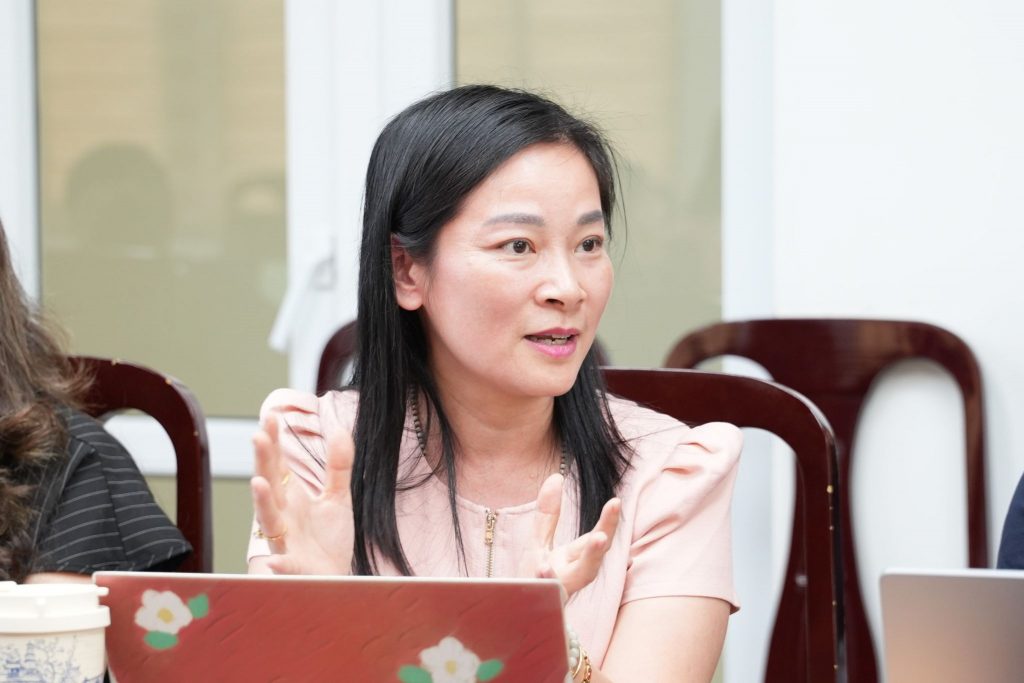
In addition, participating staff and lecturers actively exchanged ideas and contributed perspectives based on their practical needs throughout the scientific research process. They also proposed improvements and expansions to several functions so that U-ART could support users more conveniently and effectively. Assoc. Prof. Dr. Hà Lê Kim Anh also expressed appreciation for the model’s potential and hope that U-ART would continue to be refined to better meet the needs of staff, lecturers, and other user groups.
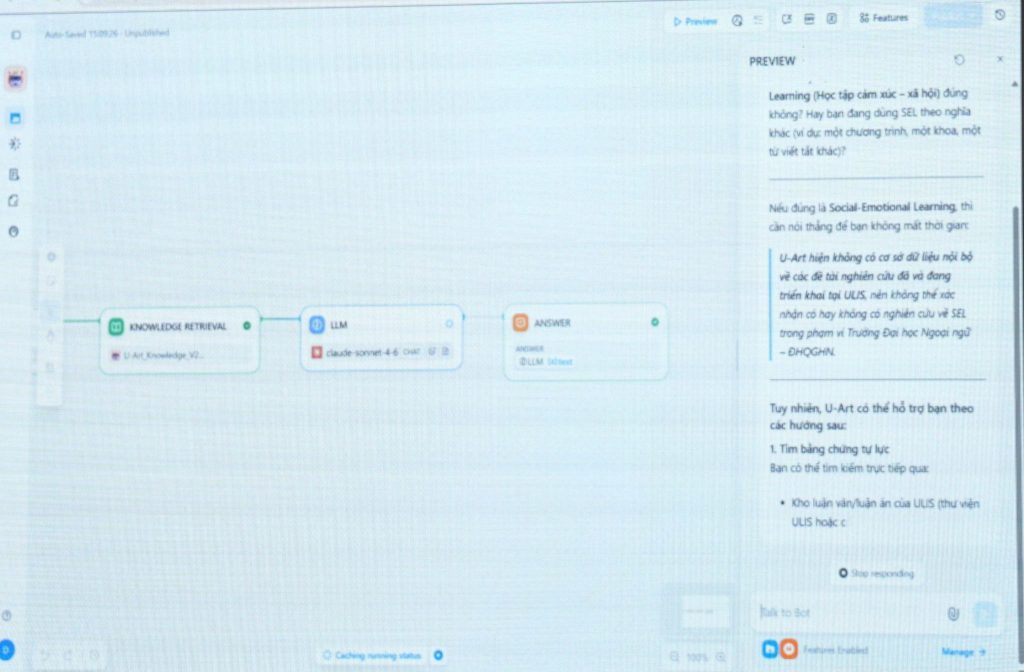
The program concluded with a live demonstration of the U-ART model using queries related to scientific research. Although some of the initial information provided by the system was still incomplete, U-ART demonstrated relatively strong capabilities in searching for and retrieving information and in providing neutral responses based on the supplied database. This initial demonstration highlighted its potential to support users in information retrieval and research activities.
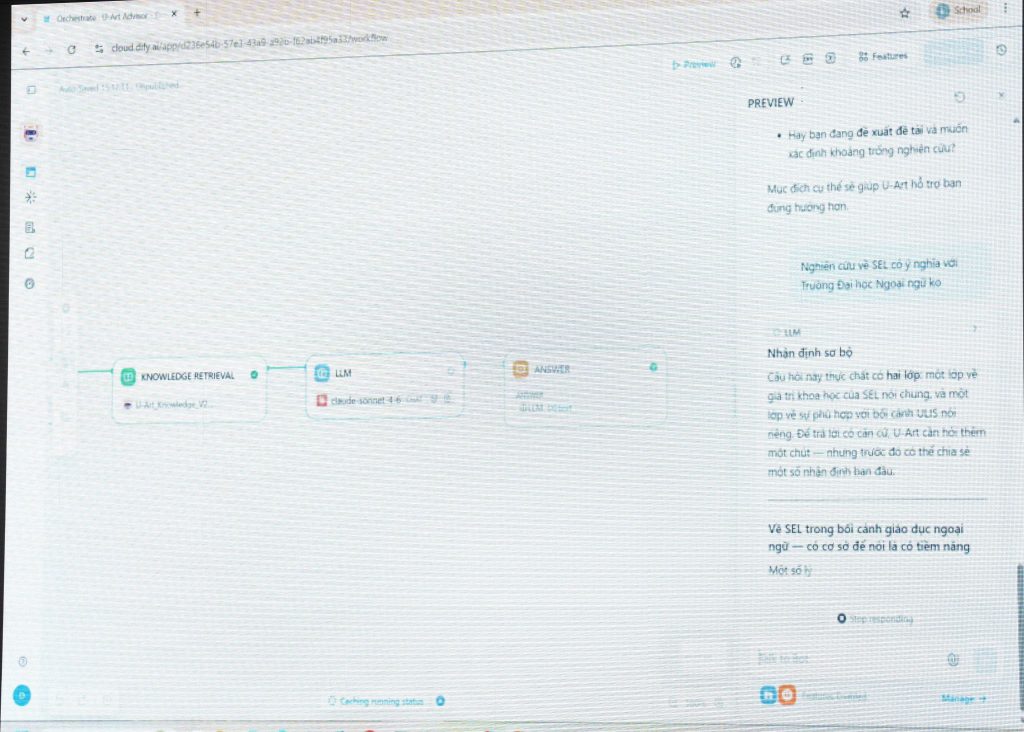
The introductory session took place in an open and constructive atmosphere, with numerous discussions and contributions from participants. Based on the needs shared during the program, U-ART will continue to be developed with a user-centered and needs-based approach, with the goal of becoming an effective tool supporting scientific research, innovation, and science and technology management at ULIS. Further feedback will continue to be collected through the Innovation Portal, providing a foundation for the model’s subsequent development.
Additional images:
Nhật Minh – Diễm Quỳnh