

Valedictorian Lý Quốc Hưng: From a love of the Vietnamese language to a passion for promoting Vietnamese culture
As a member of the Tày ethnic community who grew up with a love for Literature, History, and national cultural values, Lý Quốc Hưng – the top-ranked entrant in the Vietnamese Language and Vietnamese Culture program, QH.2026 cohort – has chosen ULIS as the place to begin his journey of exploring more deeply the beauty of the Vietnamese language and culture. For Hưng, understanding language and culture is not simply about developing a greater love and appreciation for them, but also about finding new ways to tell their stories and bring these values closer to the community and international friends.
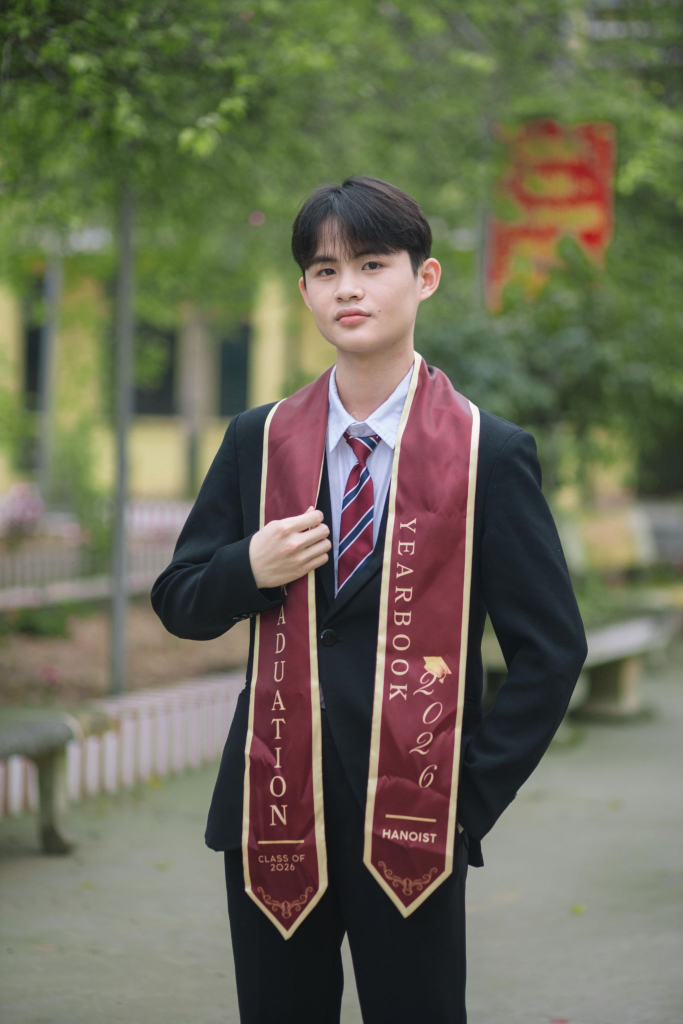
From the Language of His Homeland to a Love for Vietnamese
Quốc Hưng’s love for language and culture grew from the familiar things in his everyday life. As a member of the Tày ethnic community, Hưng developed a strong connection with and affection for the language and culture of his people from an early age. At the same time, his particular interest in Literature and History gradually encouraged him to explore Vietnamese language and culture more deeply.
Through history books, Hưng learned about the centuries-long journey of preserving the language and culture of the Vietnamese people. Literature, meanwhile, opened up to him a Vietnamese language that was rich, sophisticated, and highly expressive. It was through these lessons that Hưng gradually came to realize: “Vietnamese is not merely a means of communication, but a place where the entire soul and history of a nation are preserved.”
His love for Literature also led Hưng to books and novels. The more he read, the more fascinated he became by the expressive richness of Vietnamese. He was particularly intrigued by words he described as exceptionally “precise and valuable,” such as “hú họa, họa hoằn, suy suyển, ngồn ngộn, leo lét,” because they “not only describe a particular state accurately, but also evoke an entire world of unique emotions.”
These seemingly small discoveries made Hưng realize “just how vast the linguistic treasure of our country is, and how what I know is truly only a very small part of it.” From his curiosity about individual words, he gradually began to see the vast world of Vietnamese language and culture waiting to be explored. This was also the reason Hưng chose ULIS’s Vietnamese Language and Vietnamese Culture program for his university journey.
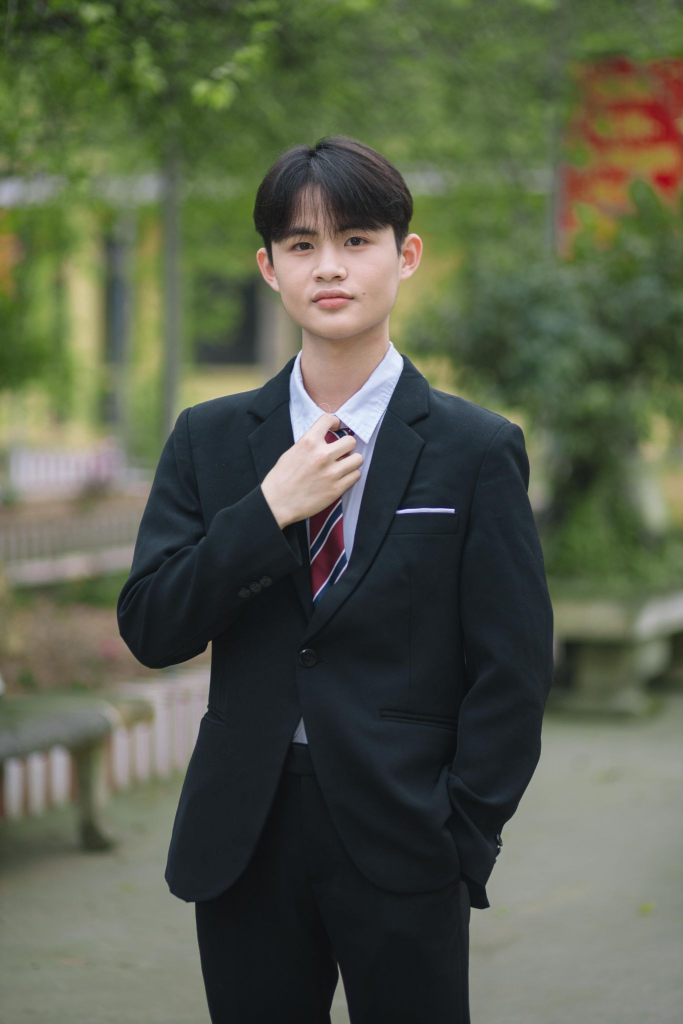
The Valedictorian Title Is Only a Starting Point
This choice brought Quốc Hưng to a memorable milestone when he became the top-ranked entrant in the Vietnamese Language and Vietnamese Culture program for the QH.2026 cohort.
Upon receiving the title, Hưng felt proud but also became more aware of the responsibility that came with his choice. He expressed his gratitude to his family, teachers, and everyone who accompanied and encouraged him throughout his preparation for the entrance examination. For Hưng, this achievement is not a destination, but rather a motivation to continue learning and striving in the years ahead.
“Being the top-ranked entrant in the program means that I have to work even harder and never stop learning so that I can live up to the trust that others have placed in me and the choice I have made for myself,” Hưng shared.
As he begins his first academic year at ULIS, Hưng aims to actively participate in school and class activities, maintain strong academic performance, and work toward earning the title of “Five-Good Student.” Looking further ahead, he plans to pursue a double degree in English Language from his second year, with the goal of becoming proficient in and using three languages flexibly – Vietnamese, Chinese, and English – after four years of study.
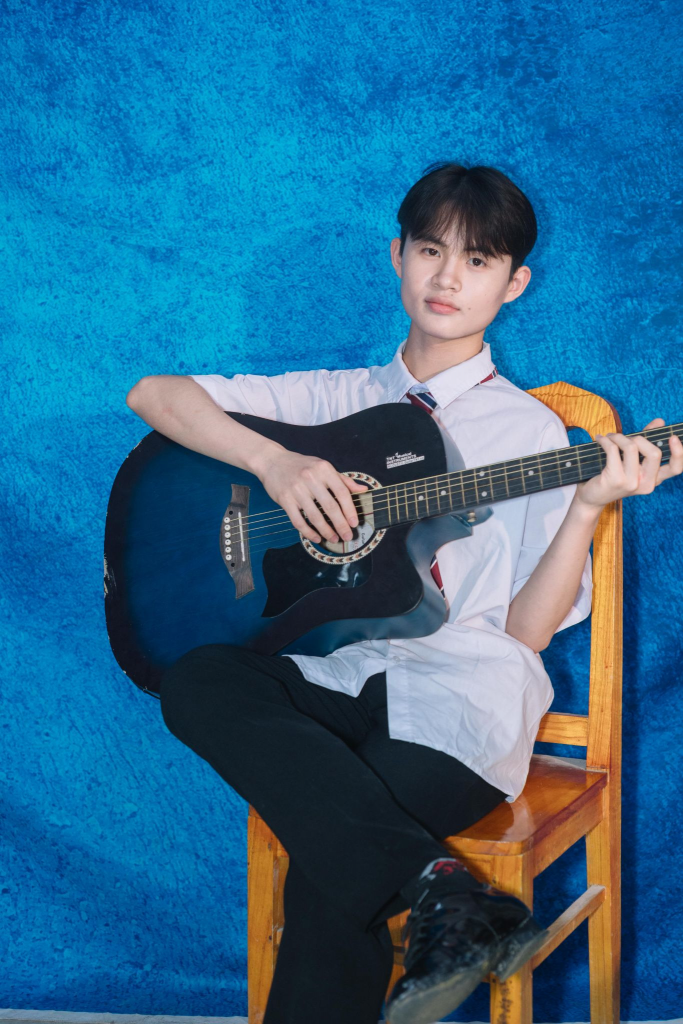
Telling Stories of Vietnamese Culture in the Language of Young People
Quốc Hưng’s aspirations go beyond simply learning about the Vietnamese language and national culture. He also wants to bring the values he learns closer to the community and international friends.
According to Hưng, young people today are engaging with traditional culture in increasingly dynamic and creative ways. From traditional costumes and traditional arts to intangible cultural heritage, these values can all be presented through new forms that are more accessible and relevant to modern life. However, such creativity also requires young people to have a sufficiently deep understanding of these cultural values to recognize the boundary between reinventing them and distorting their original meanings.
As a freshman majoring in Vietnamese Language and Vietnamese Culture, what Hưng wants to do first is therefore to study deeply and understand the language and culture of his people thoroughly. Building on that foundation, he hopes to find ways to bring things that may seem confined to textbooks closer to everyday life, particularly through digital platforms.
“…I want to use digital platforms to create articles or videos sharing the interesting aspects of Vietnamese folk poems, proverbs, and simple, everyday cultural traditions. In particular, I believe that after spending some time developing my skills, I will be able to use Chinese and English to share these cultural treasures with international friends in a way that is genuinely accessible and engaging,” Hưng shared.
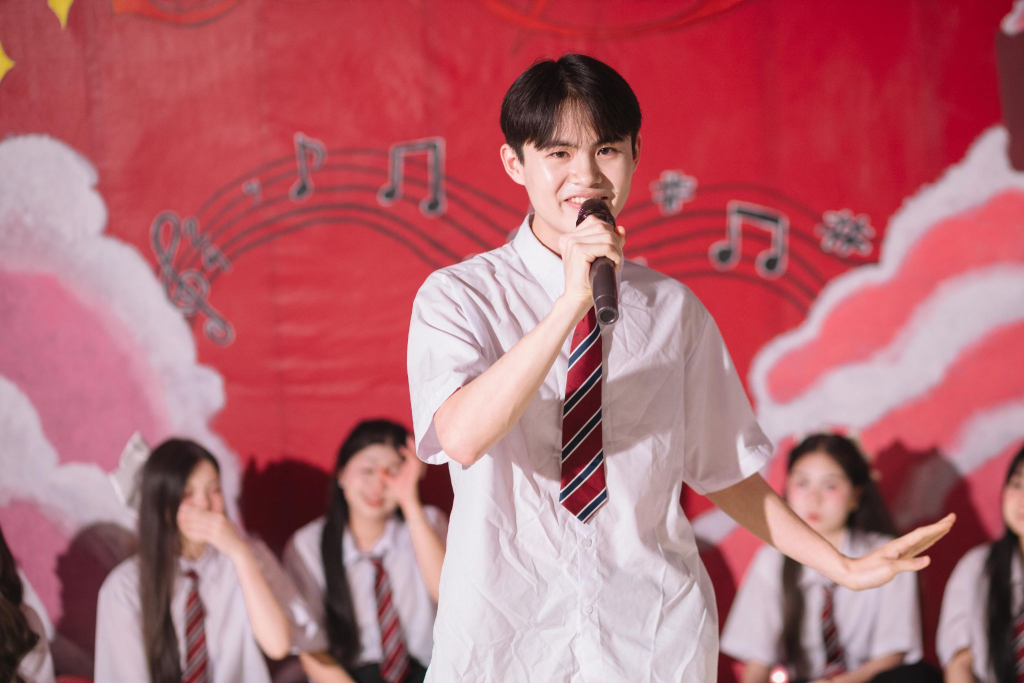
For Quốc Hưng, this is also how a young person can carry on the values of their national culture: not only by preserving what already exists, but also by finding new ways to tell its stories so that Vietnamese culture can continue to exist in a familiar and vibrant form in contemporary life.
From his fascination with “precise and valuable” Vietnamese words to his desire to tell stories about folk poems, proverbs, and Vietnamese culture in multiple languages across digital platforms, Lý Quốc Hưng is beginning his university journey with a clear passion for the path he has chosen. There is still much for the QH.2026 freshman to learn and discover, but his journey already has a starting point: to understand in order to love more deeply, preserve, and spread the values of the Vietnamese language and culture.
Tuệ Giang / ĐSTT